Why concrete cracks in Ohio (and what actually prevents it)
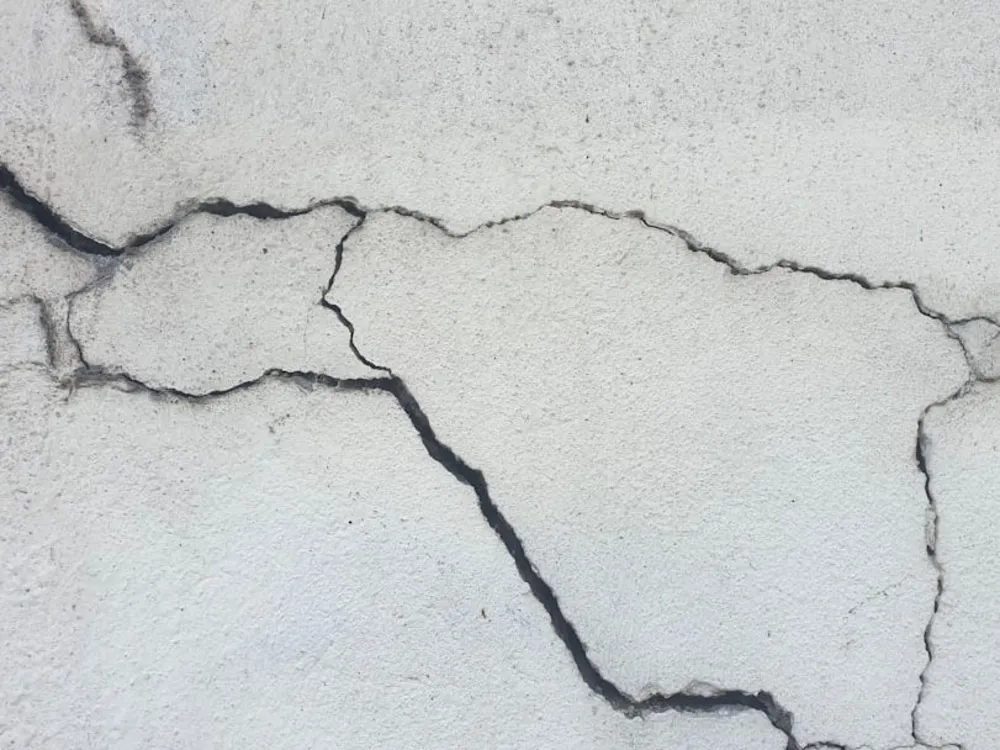
Some cracking in concrete is normal. A driveway split corner to corner, a walk that's lifted an inch at a joint, or a surface flaking off in sheets is not. In Central Ohio the same few things cause almost all of it.
Water that freezes
Concrete looks solid, but it's full of tiny pores that soak up water. When that water freezes it expands by about 9 percent and pushes outward. One freeze doesn't do much. Dozens of them every winter, which is what we get here, slowly break up the surface. That's the flaking and pitting you see on older driveways. Contractors call it scaling.
Clay that moves
Most of Delaware County is built on heavy clay the glaciers left behind. Clay swells when it's wet, shrinks when it dries, and heaves when it freezes. Concrete poured right on top of it moves every time the ground does, and concrete doesn't bend. It cracks.
Road salt
Rock salt isn't as directly hard on concrete as people think. What it does is keep turning snow into water, and that water soaks in and refreezes, which means more freeze-thaw at the surface. Every car that's been on a salted road also drips brine right where you park.
What keeps a slab in one piece
None of this is a secret. It's just work that's easy to skip:
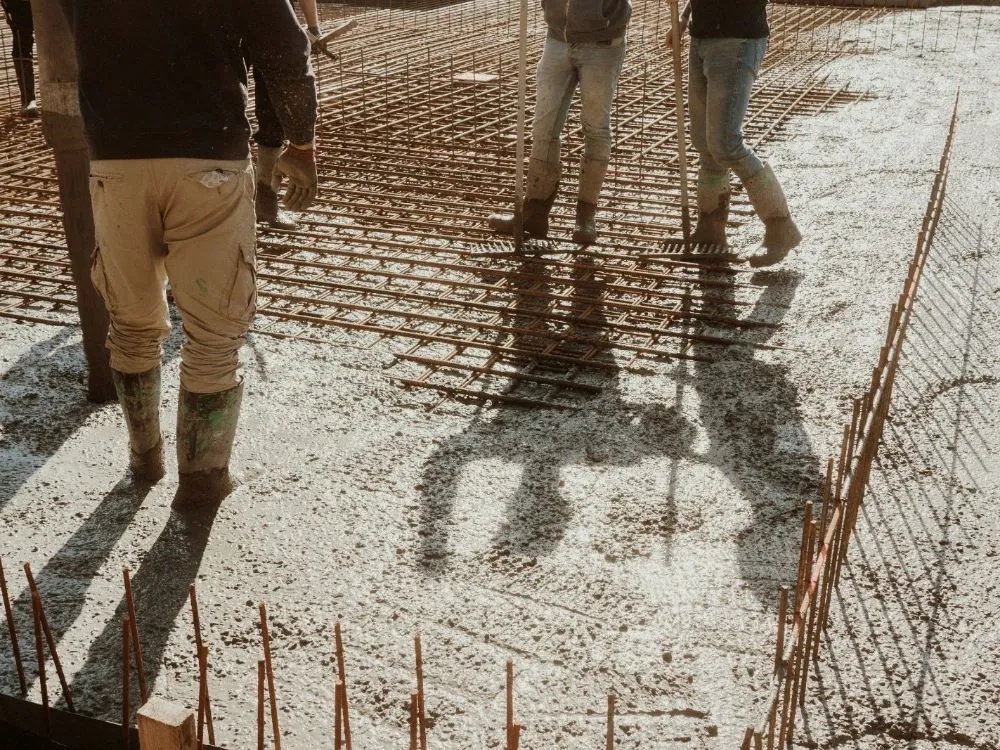
- A real base. Dig out the soft soil and replace it with 4 to 6 inches of compacted crushed limestone. This matters more than anything else on the list.
- Drainage. The slab should shed water away from the house and garage, and downspouts shouldn't empty onto it.
- Thickness and steel. Four inches for a walk or a car, more for heavier loads, with rebar or wire mesh to hold it together if it does crack.
- Air-entrained concrete. The mix has tiny air bubbles built in that give freezing water room to expand. In Ohio, it isn't optional for anything outdoors.
- Control joints. Cut every 8 to 10 feet so the slab cracks in a straight line inside the joint, where you'll barely see it.
- A proper cure and a sealer. Keep the slab from drying out too fast that first week, then seal it to slow down how much water gets in.
Already have cracks?
Hairline cracks are cosmetic. Clean them out and fill them with a flexible crack sealer from the hardware store before winter so water can't get in. Cracks wide enough to fit a coin in, slabs that have dropped or lifted, and flaking over a large area are worth having someone look at. Often just one section needs replacing, not the whole thing.
Not sure which you've got? Call (740) 300-3801 and we'll come take a look.