Is it too late in the year to pour concrete in Delaware, Ohio?
Every October the phone starts ringing with the same question: is it too late to get this done before winter? Most years, no. You still have some time. Fall pours just work a little differently, and there's a point where waiting for spring is the smarter call.

Concrete cares about temperature, not the calendar
Concrete hardens through a chemical reaction with water, and that reaction slows way down as it gets cold. Below about 40 degrees it crawls. If fresh concrete freezes before it has gained some strength, the water inside expands and can damage the surface for good.
In Delaware County, daytime highs usually hang in the 50s and 60s through October and into early November. The nights are what we watch. A few nights in the 30s isn't a deal breaker, but it does change how we pour.
What we do differently when it's cold
- A warmer mix. The ready-mix plant can heat the water, which gives the concrete a head start.
- An accelerator. It's an additive that speeds up the set. Anywhere there's rebar or mesh we use a non-chloride type, because chloride can rust the steel.
- Insulated blankets. New slabs get covered on cold nights. Curing concrete makes its own heat, and the blankets keep it in.
- Earlier start times. We pour in the morning so the slab gets the warmest part of the day.
- Checking the ground. We don't pour on frozen ground, period. Frozen soil settles when it thaws and takes the slab down with it.
When we'll tell you to wait
If the forecast shows several days in a row with highs below freezing, or the ground has started to freeze, we'll usually suggest pushing the job to spring. A cold-weather pour can be done right, but the margin for error gets thin, and you're the one who has to live with that driveway for the next 30 years. Around here, December through February is mostly a waiting season.
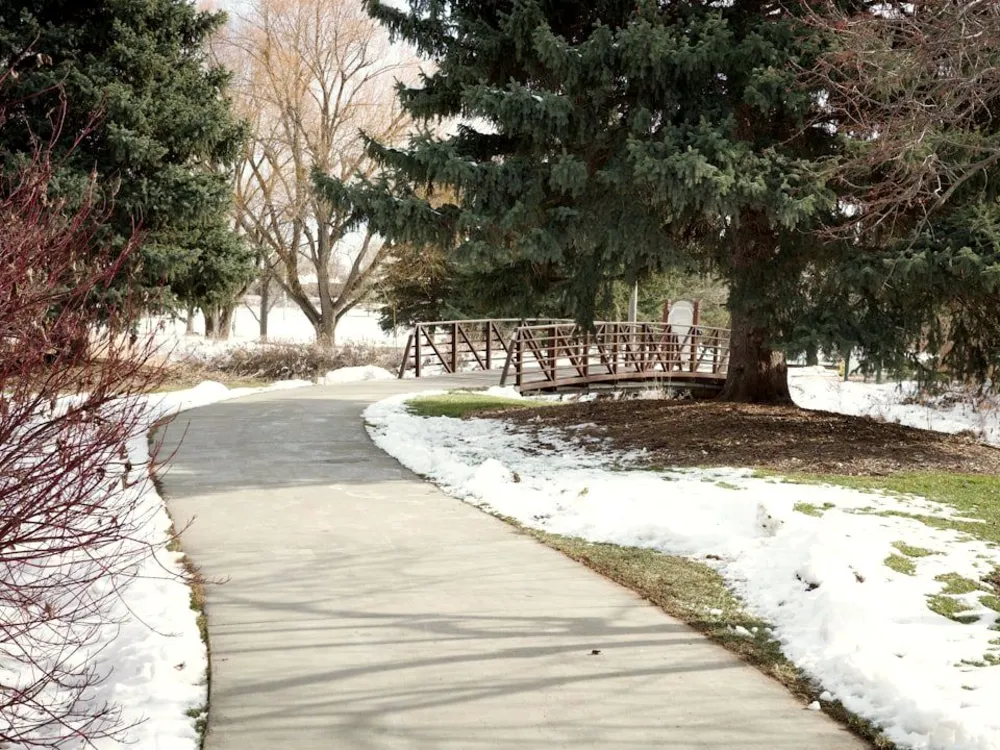
Looking after fall concrete through its first winter
Concrete poured in the fall has less time to toughen up before the salt trucks come out, so give it a little extra care that first winter:
- Skip rock salt and other ice melt the first winter. Shovel early and use sand if you need traction.
- Try not to pile plowed snow on it. Snow that melts and refreezes on new concrete day after day wears on the surface.
- Hold off on sealing until spring. Most sealers want the concrete about a month old and temperatures above 50 degrees while they go on.
- Check where the downspouts empty. Water pooling on a new slab and freezing overnight is exactly what you don't want.
If it has to wait, book spring now
There's an upside to waiting: you can get on the calendar early. Spring is the busiest time of year for concrete in Central Ohio, and April and May fill up fast. We can come out this fall, give you a price, and hold a date for you.
Wondering whether your job can still go in this year? Call (740) 300-3801 and we'll look at the forecast with you and tell you what we'd do.